Energy & Wellness with Red Light Therapy
Energy and wellness red light therapy is a gentle, non-invasive service designed for people who want steady support for cellular energy, recovery, and daily balance. It uses therapeutic red and near-infrared wavelengths to encourage the body's natural repair and energy-producing processes over time.
This is not a stimulant treatment. It does not work like caffeine, medication, or a quick energy drink. The goal is to support how cells create and use energy so the body can feel more resilient, restored, and balanced with consistent sessions.
A helpful way to explain the service is this: red light therapy provides light-based cellular support. It is not meant to force alertness or override fatigue. It works gradually and is best paired with sleep, hydration, nutrition, movement, and stress management.
At A Glance
Treatment type: Non-invasive cellular wellness light therapy
Best for: Low energy, fatigue support, stress-related depletion, daily recovery, and overall balance
Downtime: None expected
Sensation: Quiet warmth or little sensation
Session setup: Rest comfortably while a professional red light panel is positioned for broad support
Eye protection: Provided and worn during treatment
Results: Subtle, gradual, and cumulative with consistency
Main goal: Support cellular energy, recovery capacity, and everyday wellness resilience
What is red light therapy?
For energy and wellness, red light therapy is best explained as a non-stimulant light treatment that supports cellular function. It is also known as photobiomodulation, meaning selected red and near-infrared wavelengths are used to influence normal biological activity rather than force a short-term energy spike.
In practical terms, these wavelengths may be absorbed by cells and used as signals that support mitochondrial activity, recovery, and repair. That makes the treatment especially relevant for people who want steady wellness support, not a quick caffeine-style boost.
For energy and wellness, red light therapy is commonly used to support:
Cellular energy production
Low energy and fatigue
Daily recovery
Exercise recovery
Stress-related depletion
Overall wellness and balance
How Red Light Therapy Supports Cellular Energy
Every cell in the body needs energy to function. This energy is produced largely by mitochondria, which help convert nutrients and oxygen into ATP, the main energy-carrying molecule used by cells.
When people talk about red light therapy for energy, they are not usually talking about a sudden burst of alertness. They are talking about supporting the cellular systems that help the body repair, recover, and function efficiently.
In simple terms, red light therapy may help support the body’s natural energy systems, but results depend on consistency, device quality, treatment dose, and individual health factors.
Benefits of Red Light Therapy for Energy & Wellness
-
One of the main reasons people use red light therapy for wellness is its connection to mitochondrial function. Mitochondria are involved in producing ATP, which cells use for energy.
Red and near-infrared light are studied because they may interact with cellular pathways involved in energy production, oxidative stress, and repair. For a wellness service, the most accurate wording is that red light therapy may help support cellular energy production. It should not be described as a guaranteed treatment for fatigue or as a replacement for sleep, nutrition, or medical care.
-
Low energy can have many causes. Sometimes it comes from a busy schedule, poor sleep, high stress, or physical overuse. Other times, fatigue may be related to medical concerns that require proper assessment.
Red light therapy may be helpful as part of a wellness routine because it supports the body’s cellular energy and recovery systems. Research on photobiomodulation and functional performance in healthy individuals has examined outcomes such as strength, fatigue, and functional capacity, though results depend on treatment timing, dose, device type, and population.
-
Daily life can drain the body in different ways. Long hours, caregiving, intense schedules, poor sleep, emotional stress, and physical strain can all affect how restored and balanced someone feels.
Red light therapy fits well as a recovery-support treatment because it is quiet, comfortable, repeatable, and does not require downtime. For people feeling depleted, it can create a restorative pause while also supporting cellular processes involved in repair and resilience.
For wellness goals, red light therapy may also complement treatments that help the body shift out of stress and into recovery. Acupuncture, massage therapy, gentle movement, sleep support, or stress-management strategies may all play a role depending on your needs. If tension, mobility, or posture are also part of the picture, physiotherapy or chiropractic care may be helpful additions to a broader wellness plan.
-
One of the advantages of red light therapy is that it is simple. You do not need to prepare much, recover afterward, or drastically change your day. A session can become a quiet, restorative part of your weekly wellness rhythm.
Wellness is rarely about one dramatic intervention. It is usually built through repeated supportive habits that help the body recover and function well over time.
What Makes Red Light Therapy Different from Caffeine or Supplements?
Caffeine works by stimulating the nervous system. Supplements may provide nutrients or compounds that support certain body functions. Red light therapy works differently. It uses light energy to support cellular processes, especially those related to mitochondria, repair, and recovery.
This makes red light therapy appealing for people who want a non-stimulant wellness option. It does not require swallowing anything, does not create a caffeine crash, and does not rely on adding another product to your routine.
That said, red light therapy is not a substitute for the basics. The best results usually come when it is paired with sleep, hydration, balanced nutrition, movement, and stress management.
What to Expect During a Energy & Wellness Session
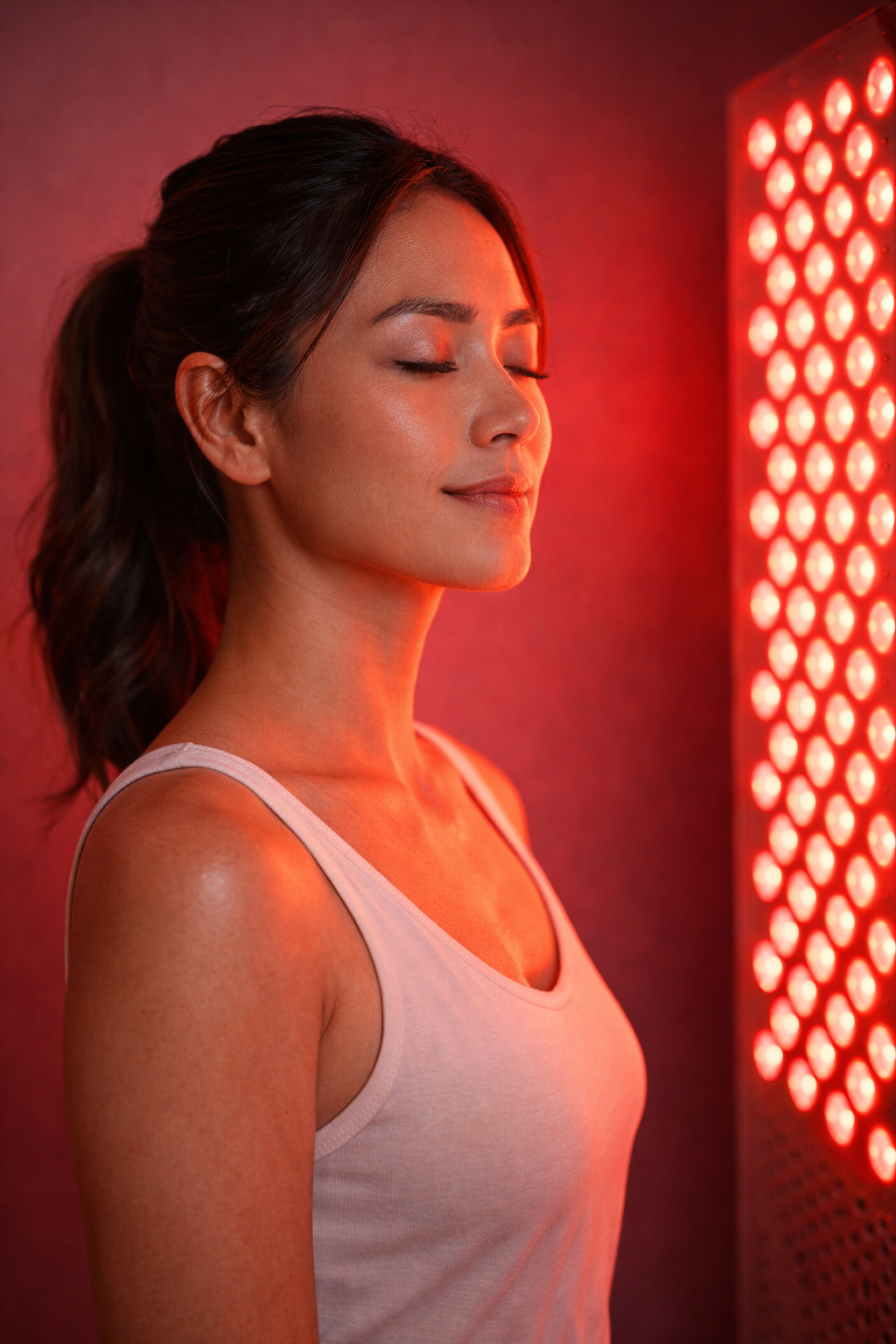
During an energy and wellness session, you can settle comfortably onto the treatment table while the red light therapy panel is positioned above you to provide broad, even exposure. The experience is designed to feel simple, quiet, and restorative, making it easy to incorporate into a weekly wellness routine without adding stress or disruption to your day.
Once you are positioned comfortably, the panel is directed toward the body so the therapeutic red and near-infrared light can reach the treatment area. You may feel gentle warmth from the panel, but the session should not feel hot, painful, or uncomfortable. Many people find the treatment calming and use the time as a chance to pause, rest, and reset.
Protective eyewear is provided and worn throughout the session so you can relax comfortably while the panel is in use. Our team will make sure you are properly positioned before the session begins and that the setup feels comfortable for you.
There are no needles, medications, electrical stimulation, or hands-on manipulation involved. Red light therapy is non-invasive, and there are no recovery steps required afterward. Most people can return to work, errands, exercise, or their regular daily routine immediately after treatment.
Some people leave feeling relaxed, refreshed, or more settled. Others notice more subtle changes after several consistent sessions. Because red light therapy works gradually by supporting cellular energy and recovery processes, it is best viewed as a routine wellness support rather than a one-time energy fix.
Is Red Light Therapy Safe?
Red light therapy is generally considered low-risk when used properly, but wellness use should still be thoughtful. Professional guidance is especially helpful when fatigue, low energy, or burnout-like symptoms are persistent or difficult to explain.
Provided eye protection is worn during treatment to support comfort and safe use of the bright therapeutic panel.
Speak with a healthcare provider before red light therapy if you are pregnant, have a history of cancer, have a light-sensitive condition, take photosensitizing medication, or have an active medical concern. Medical assessment is important for fatigue that is severe, persistent, unexplained, or paired with symptoms such as dizziness, chest pain, shortness of breath, sudden weakness, fainting, fever, or unexplained weight loss.
How Often Should You Do Red Light Therapy for energy & wellness
The best schedule depends on your goals, sensitivity, overall health, and provider recommendations. Many people use red light therapy consistently over several weeks, then continue with maintenance sessions as part of their wellness routine.
For general wellness support, consistency matters more than intensity. Red light therapy is not about doing the longest possible session. It is about using appropriate treatment settings regularly and safely.
Why Device Quality Matters
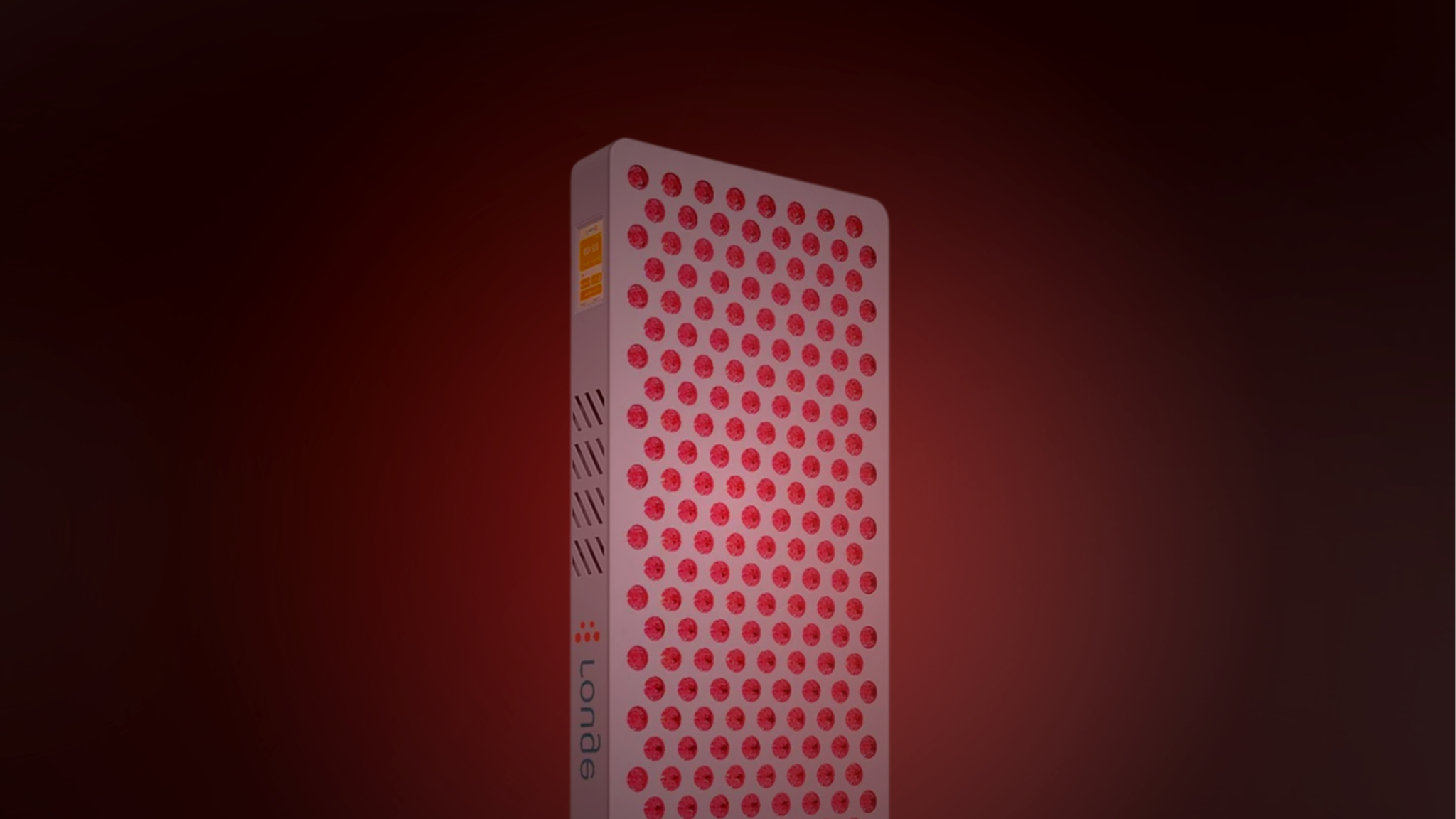
For an energy and wellness service, device quality matters because the treatment depends on more than a visible red glow. Wavelength selection, output consistency, coverage area, treatment distance, and session timing all influence how reliably light reaches the body.
For wellness clients, broader panel coverage can be useful because the goal is often whole-body support rather than a single small treatment point. Consistent output also helps keep sessions repeatable from visit to visit.

Red Light Therapy and Your wellness Routine
Red light therapy works best when it supports — rather than replaces — healthy daily habits. Depending on your goals, a strong wellness routine may include sleep, hydration, balanced meals, movement, outdoor time, breathwork, stress boundaries, and consistent red light therapy sessions.
It can also sit alongside supportive care such as massage therapy, physiotherapy, acupuncture, or chiropractic treatment when those services fit your needs and provider recommendations.
For long-term wellness, red light therapy should be seen as one supportive tool. It can help support cellular energy and recovery, but it does not replace the foundations that your body needs to feel well.
Who Is Energy & wellness Red Light Therapy For?
Energy and wellness red light therapy may be a good fit if you want support for:
Low energy
General fatigue
Daily recovery
Exercise recovery
Stress-related depletion
Overall wellness maintenance
A simple non-invasive self-care routine
Feeling more balanced throughout the week
It may not be the best standalone option for severe fatigue, sudden exhaustion, unexplained symptoms, major sleep issues, depression, anemia, thyroid concerns, chronic infections, or other medical conditions. In those cases, red light therapy may still be supportive, but it should be part of a broader care plan.
Red light therapy can also fit well for people who are already building a more complete wellness routine. For some, that may include massage therapy for tension, acupuncture for relaxation and regulation, physiotherapy for movement support, or chiropractic care when posture and mobility are contributing factors. Red light therapy adds a cellular energy and recovery-support layer to that plan.
The bottom line
Red light therapy is a gentle, non-invasive treatment that may help support cellular energy production, daily recovery, and overall wellness. It is commonly used by people looking for support with low energy, fatigue, stress-related depletion, recovery, and balance.
The key is consistency and realistic expectations. Red light therapy is not a stimulant, cure, or replacement for healthy habits. It is best understood as a supportive wellness treatment that works with the body’s natural energy and recovery systems.
For people looking for a simple way to support everyday energy, recovery, and balance, red light therapy can be an easy addition to a wellness routine focused on feeling more restored, resilient, and steady throughout the day.
Frequently Asked Questions
-
Red light therapy may help support cellular energy production by interacting with mitochondria, the structures inside cells that help produce ATP. It should not be thought of as a stimulant, but rather as a supportive wellness treatment that may help the body function and recover more efficiently over time.
-
Red light therapy may support people experiencing general low energy or fatigue by supporting cellular energy and recovery processes. However, fatigue can have many causes. Persistent, severe, or unexplained fatigue should be assessed by a healthcare provider.
-
Red light therapy may be a calming and restorative part of a wellness routine, but it is not a standalone treatment for burnout or mental health concerns. It works best alongside sleep, rest, nutrition, movement, boundaries, and appropriate professional support.
-
No. Most people find the session quiet and relaxing. You may notice gentle warmth from the panel, but the treatment should not feel intense, painful, or uncomfortable.
-
Downtime is not expected. People usually return to their normal schedule right away, which is one reason red light therapy can fit well into a weekly wellness routine.
-
Yes. Protective eyewear is provided and worn during each session.
-
Yes. For energy and wellness goals, red light therapy may work alongside acupuncture, massage therapy, sleep-focused routines, stress support, gentle movement, or other provider-recommended care. If low energy is connected with tension, posture, pain, or mobility concerns, physiotherapy or chiropractic care may also be part of a more complete plan.
Sources
Rouge Care — Red Light Therapy Panels
Device information used for panel quality, third-party testing, G4 wavelength options, output consistency, and wellness-related presets.
https://rouge.care/PubMed — Photobiomodulation at Defined Wavelengths Regulates Mitochondrial Membrane Potential and Redox Balance in Skin Fibroblasts
Study on targeted red light may support energy and wellness by helping cells maintain healthier mitochondrial function and better manage oxidative stress.
https://pmc.ncbi.nlm.nih.gov/articles/PMC10471456/American Academy of Dermatology — Is red light therapy right for your skin?
Professional overview of skin uses, photobiomodulation, safety, professional device strength, and at-home device considerations.
https://www.aad.org/public/cosmetic/safety/red-light-therapyCleveland Clinic — Red Light Therapy: Benefits, Side Effects & Uses
Medical overview of red light therapy for wellness, energy production, and other uses.
https://my.clevelandclinic.org/health/articles/22114-red-light-therapyPubMed — Effects of photobiomodulation therapy on the functional performance of healthy individuals
Overview of LED light therapy for skin concerns including energy production and general wellness.
https://pubmed.ncbi.nlm.nih.gov/38150056/Stanford Medicine — Red light therapy: What the science says
Overview of red and near-infrared light, inflammation, collagen, and wellness use.
https://med.stanford.edu/news/insights/2025/02/red-light-therapy-skin-hair-medical-clinics.html
Clinically Reviewed by
Dr. Jackson Mann, Chiropractor
Clinical Director, Vancouver Red Light Therapy
Practicing Chiropractor at Electra Health, Downtown Vancouver
Dr. Jackson Mann provides clinical oversight for Vancouver Red Light Therapy’s treatment information and helps ensure our content is grounded in a thoughtful, wellness-focused perspective. As a licensed chiropractor with over a decade of experience in patient care, Dr. Mann brings practical insight into movement, recovery, mobility, tissue function, and musculoskeletal health.

Professional Registration: Registered Chiropractor, College of Complementary Health Professionals of BC
Licence Number: 002181
Practice Location: Electra Health, 970 Burrard Street, Vancouver, BC
For more information on Dr. Jackson Mann please visit the links below: