Skin Rejuvenation with Red Light Therapy
Skin rejuvenation red light therapy is a gentle, non-invasive wellness service for people who want to include red light sessions in their regular skin-care routine. Some people choose it to support skin wellness and healthier-looking skin over time.
Individual experiences vary.
Unlike UV exposure, red light therapy is not used to tan or intentionally damage the skin. It is also different from chemical peels, resurfacing lasers, or micro-needling because it does not rely on controlled injury to create visible change.
Instead, red light therapy supports the skin gradually. Cleveland Clinic notes that red light therapy is often used for appearance-related concerns such as wrinkles, scars, redness, and acne, while also emphasizing that evidence is still developing and individual results can vary.
For skin-focused clients, the easiest way to think about the service is this: it is not a quick facial, peel, or overnight transformation. It is a cumulative skin-support treatment that can help the complexion look clearer, calmer, smoother, and more radiant with consistent use.
At A Glance
Treatment type: Non-invasive skin-support light therapy
Best for: Fine lines, dullness, uneven tone, rough texture, acne-prone skin, and glow maintenance
Downtime: None expected
Sensation: Gentle warmth or very little sensation
Session setup: Rest while the panel is positioned for face, neck, chest, or target-area exposure
Eye protection: Provided before facial or skin-focused treatment
Results: Gradual, cumulative, and most visible with consistency
Main goal: Support collagen, smoother texture, more even-looking tone, and radiance
What is red light therapy?
For skin rejuvenation, red light therapy is a non-ablative photobiomodulation treatment that uses selected red and near-infrared wavelengths to support healthier-looking skin over time. The goal is not to peel, resurface, or intentionally damage the skin; it is to support natural repair, collagen-related processes, tone, texture, and radiance.
Skin-focused red light therapy is especially appealing because it is comfortable, non-invasive, and usually does not require downtime. The American Academy of Dermatology notes that red light therapy may be used for concerns such as acne, wrinkles, hair loss, and other conditions, and also explains that professional treatments are typically more powerful than many at-home devices.
For skin rejuvenation, red light therapy is commonly used to support:
Fine lines and wrinkles
Uneven skin tone
Acne-prone or breakout-prone skin
Dullness or rough texture
Mild redness or stressed-looking skin
Overall radiance and skin glow
Long-term skin maintenance
How Red Light Therapy Supports Skin Rejuvenation
Your skin is constantly repairing and renewing itself. New skin cells form, older cells shed, collagen and elastin help maintain structure, and the skin barrier protects against environmental stress. Over time, natural aging, sun exposure, inflammation, acne, stress, sleep quality, and lifestyle factors can all affect how healthy and resilient the skin looks.
Red light therapy may help support the skin by influencing cellular activity. One of the main areas researchers study is the mitochondria, often described as the energy centres of the cell. When skin cells have better energy availability, they may be better equipped to carry out repair and maintenance functions.
In simple terms, red light therapy does not force the skin to peel or recover from damage. It supports the skin more gradually by encouraging natural repair and renewal processes.
Why Collagen Matters for Fine Lines and Skin Texture
Collagen is one of the main structural proteins in the skin. It helps skin look firm, smooth, and resilient. As we age, collagen production naturally slows down. Sun exposure, environmental damage, inflammation, smoking, stress, and poor sleep can also contribute to collagen breakdown.
When collagen levels decline, skin may start to look thinner, less firm, more textured, or more lined. This is why many skin rejuvenation treatments focus on supporting collagen in some way.
A controlled clinical trial published on PubMed studied red and near-infrared light treatment for skin rejuvenation. The study found improvements in skin complexion, skin feeling, skin roughness, fine lines, wrinkles, and intradermal collagen density compared with controls. The authors concluded that the light treatments demonstrated efficacy and safety for skin rejuvenation and collagen increase when compared with controls.
That said, collagen changes take time. Red light therapy should not be presented as a one-session wrinkle treatment. It is better understood as a cumulative treatment that works best with consistency.
Benefits of Red Light Therapy for Skin Rejuvenation
-
Fine lines and wrinkles can develop when collagen, elastin, hydration, and skin thickness change over time. Red light therapy may help support a smoother-looking complexion by encouraging healthier skin function and collagen-supportive processes.
This does not mean wrinkles disappear overnight. Most people should expect gradual changes with a series of treatments. Red light therapy is best suited for people looking for subtle, natural-looking skin support rather than an immediate dramatic change.
-
Rough texture, dullness, and uneven skin surface can make the skin look tired or aged. Because red light therapy may support skin repair and collagen density, it can be a helpful option for people wanting smoother, healthier-looking skin over time.
In clinical research, red and near-infrared light treatment has been associated with improvements in skin roughness and skin feel, which are both important parts of skin rejuvenation.
-
A healthy glow usually comes from a combination of hydration, smoother texture, balanced inflammation, circulation, and a strong skin barrier. Red light therapy may help support some of these underlying factors, which is why many people use it as part of their regular skin maintenance routine.
Some people notice a short-term refreshed look after sessions, while collagen-related changes usually take longer. For best results, red light therapy should be treated as a consistent routine rather than a one-time treatment.
-
Uneven skin tone can be caused by sun exposure, post-acne marks, redness, dryness, irritation, or inflammation. Red light therapy does not bleach or resurface the skin, but it may help support calmer-looking skin and a more balanced complexion over time.
For pigmentation concerns, sunscreen remains essential. Red light therapy should be seen as supportive, not as a replacement for daily SPF or dermatologist-guided care.
-
Acne is complex and can involve oil production, clogged pores, bacteria, inflammation, hormones, and skin barrier function. Red light therapy is not a cure for acne, but it may be helpful as a supportive treatment for people with acne-prone or breakout-prone skin.
Cleveland Clinic notes that LED light therapy is used for skin concerns including acne and fine lines, with different wavelengths and colours used for different purposes.
For moderate, severe, painful, cystic, or scarring acne, it is best to work with a dermatologist or qualified healthcare provider.
What Makes Red Light Therapy Different from Other Skin Treatments?
Many skin rejuvenation treatments work by creating a controlled injury. Microneedling, peels, and some resurfacing lasers can be effective because they trigger a healing response, but they may also involve redness, peeling, tenderness, downtime, or more careful aftercare.
Red light therapy takes a different approach. It supports cellular activity with therapeutic light rather than removing the surface layer of skin or creating a wound-healing response.
This makes it a good option for people who want a gentle treatment they can build into a consistent skincare routine. Depending on your goals and skin type, it may also complement other skin or wellness treatments recommended by your provider.
What to Expect During a Skin Rejuvenation Session
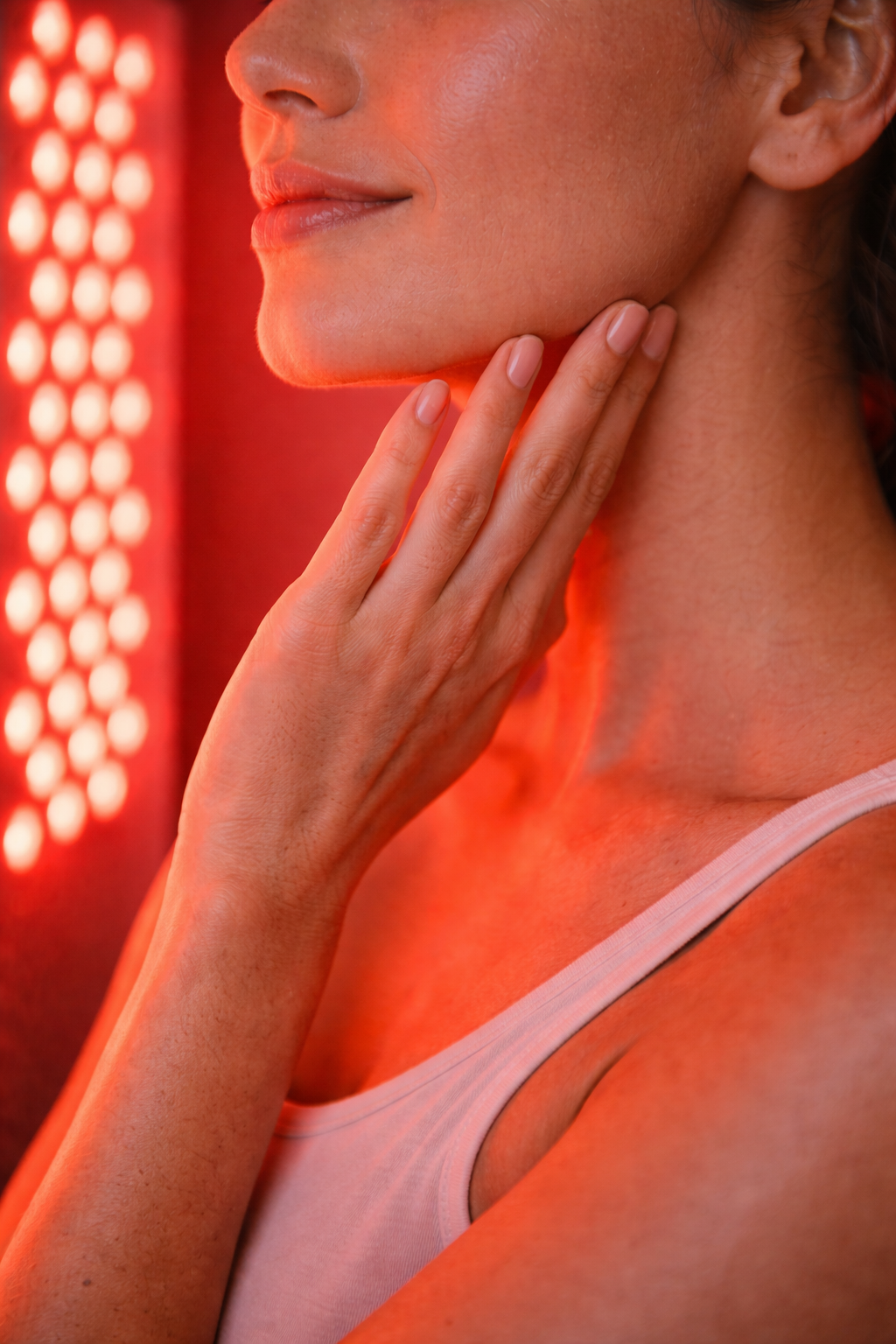
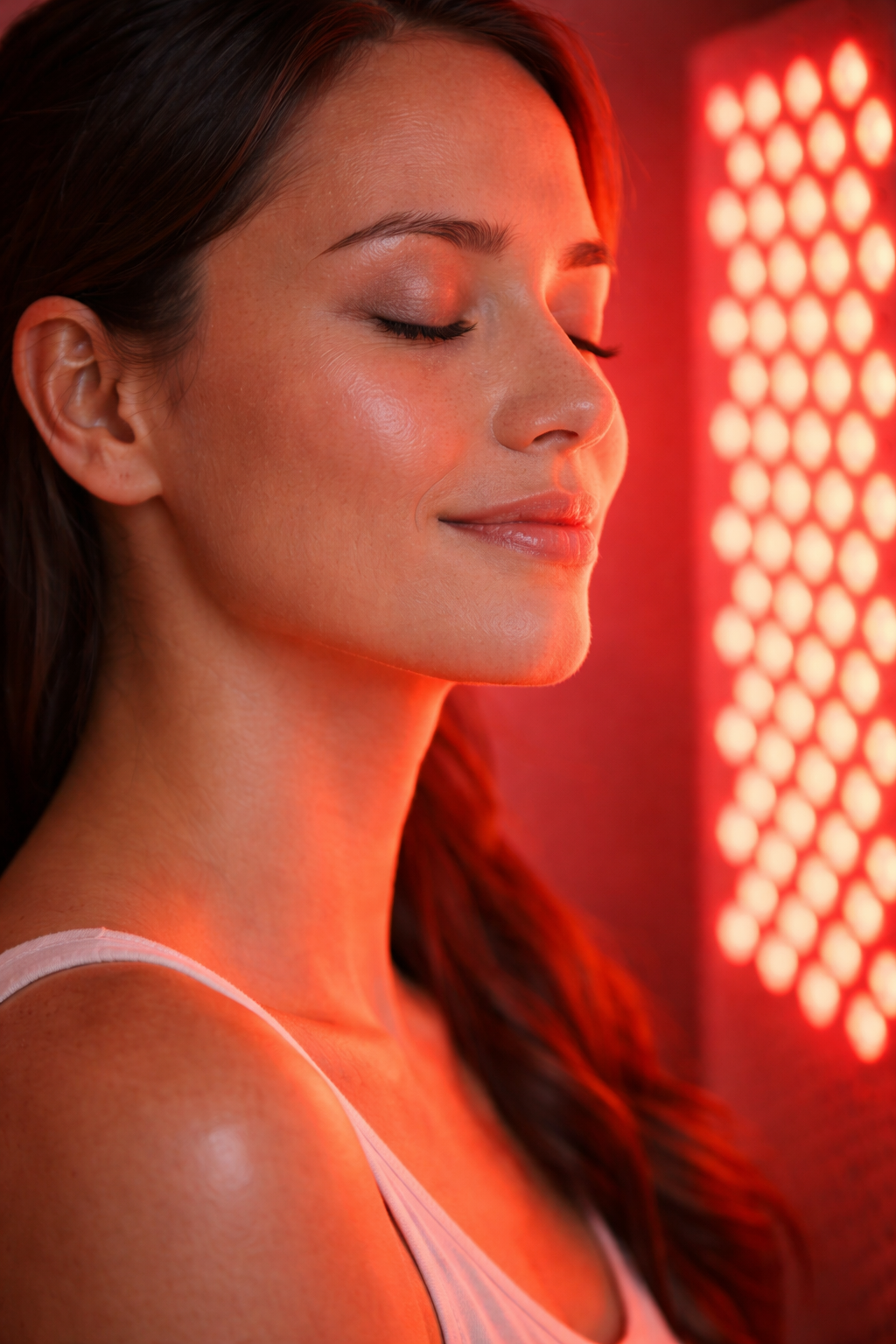
During a skin rejuvenation session, you lie comfortably on the treatment table while the red light panel is positioned over the face, neck, chest, or another skin-focused area. Your provider will help adjust the setup so the light is directed toward the area being treated and you feel relaxed throughout the session.
Before treatment begins, protective eyewear is provided and worn for the full session. This is especially important for facial or skin-focused treatments because the therapeutic light is bright and positioned near the upper body.
The treatment itself should feel calm and gentle. You may notice mild warmth from the panel, but it should not feel hot, painful, sharp, or irritating. Many people find the session quiet and easy to tolerate.
Red light therapy does not involve needles, numbing, extractions, or hands-on manipulation of the skin. The panel delivers light to the treatment area while you rest, and there is usually nothing you need to do during the session other than stay comfortable.
After treatment, there is typically no recovery period. Most people can return to work, errands, or regular daily activities right away. Unless your provider gives you different instructions, you can continue with your usual skincare routine after the session.
Because red light therapy works gradually, one session should not be viewed as a complete skin transformation. Some people notice a refreshed look sooner, while changes in skin texture, tone, fine lines, and overall skin quality usually develop with consistent sessions over time.
Is Red Light Therapy Safe?
Red light therapy is generally considered low-risk when used properly, but skin concerns should still be treated thoughtfully. It is not a substitute for dermatology assessment when a mole, rash, lesion, or acne concern needs medical attention.
Provided eye protection is worn during treatment. Speak with a healthcare provider before red light therapy if you are pregnant, have a history of skin cancer, have a light-sensitive condition, take photosensitizing medication, or have an active medical skin concern.
Red light therapy should not be used instead of medical assessment for changing moles, suspicious lesions, infections, severe acne, persistent rashes, or any skin change that is painful, bleeding, new, or rapidly evolving.
How Often Should You Do Red Light Therapy for Skin Rejuvenation?
The best schedule depends on your skin goals, your skin’s sensitivity, the device being used, and your provider’s recommendations. Many red light therapy routines involve multiple sessions per week at the beginning, followed by maintenance sessions.
The most important thing to understand is that red light therapy is cumulative. Similar to exercise, skincare, or nutrition, consistency tends to matter more than one occasional session.
Some people may notice a refreshed glow sooner, while more visible improvements in fine lines, texture, and tone generally take longer. A realistic expectation is to think in weeks and months, not days.
Why Device Quality Matters
For skin rejuvenation, device quality matters because even exposure, appropriate wavelengths, panel distance, and output consistency can affect how comfortably and reliably the light reaches the treatment area.
For skin-focused goals, a quality professional panel can help provide broad, even coverage over the face, neck, chest, or other target areas. This matters because red light therapy is not simply about seeing a red glow; the treatment depends on appropriate light characteristics and consistent delivery.

Red Light Therapy and Your Skincare Routine
Red light therapy works best when paired with good daily skin habits. For most people, that means keeping the routine simple and consistent:
Gentle cleanser
Moisturizer
Daily sunscreen
Targeted products if recommended for your skin type
Consistent red light therapy sessions
Sunscreen is especially important. Red light therapy may support healthier-looking skin, but it does not replace sun protection. UV exposure remains one of the biggest contributors to premature skin aging, uneven tone, and collagen breakdown.
Who Is Skin Rejuvenation Red Light Therapy For?
Skin rejuvenation red light therapy may be a good fit if you want to support:
Fine lines and early signs of aging
Uneven tone
Dullness
Rough skin texture
Mild redness
Acne-prone skin
Long-term skin maintenance
A healthier-looking glow
It is especially appealing for people who want a gentle, non-invasive option without downtime.
It may not be the best standalone choice for deep wrinkles, significant skin laxity, severe pigmentation, severe acne, melasma, or medical skin conditions. In those cases, red light therapy may still be supportive, but it should be part of a broader care plan.
The bottom line
Red light therapy is a gentle, non-invasive treatment that can support skin rejuvenation over time. It may help improve the appearance of fine lines, rough texture, uneven tone, dullness, acne-prone skin, and overall radiance.
The key is consistency. Red light therapy is not a one-time transformation or a replacement for medical skin care. It is best understood as a supportive treatment that helps encourage healthier-looking skin by working with the body’s natural repair and renewal processes.
For anyone looking for a simple, comfortable way to support long-term skin health, red light therapy can be an easy addition to a skincare routine focused on smoother texture, a clearer-looking complexion, and a healthy glow.
Frequently Asked Questions
-
Red light therapy may support skin rejuvenation by helping improve the appearance of fine lines, rough texture, dullness, and overall skin tone over time. Research has shown improvements in skin roughness, fine lines, wrinkles, and collagen density after red and near-infrared light treatment, although results vary and consistency matters.
-
Red light therapy is generally considered low-risk when used properly, and it usually does not involve downtime. However, eye protection may be recommended, and people with photosensitive conditions, active skin cancer concerns, or photosensitizing medications should speak with a healthcare provider first.
-
No. Red light therapy should feel comfortable. You may feel gentle warmth from the panel, but the treatment should not feel painful or hot.
-
There is typically no downtime. Most people return to their regular routine immediately after a session.
-
Some people notice a temporary glow sooner, but changes in texture, fine lines, and collagen-related skin quality usually take consistent sessions over several weeks or months.
-
Red light therapy may help support acne-prone skin by calming the look of inflammation and supporting the skin’s natural repair processes. It is not a cure for acne. Moderate, severe, cystic, or scarring acne should be assessed by a dermatologist or qualified healthcare provider.
-
No. Red light therapy is not UV light. It does not tan the skin and is not designed to cause sun damage.
-
Yes. Red light therapy can be combined with gentle skincare, facials, sunscreen, dermatologist-guided treatment, and selected wellness services when appropriate. The best combination depends on your skin type, sensitivity, acne history, pigmentation concerns, and overall rejuvenation goals.
Sources
Rouge Care — Red Light Therapy Panels
Device information used for medical-grade positioning, third-party testing, G4 wavelengths, panel output, and even light distribution.
https://rouge.care/PubMed — A controlled trial on red and near-infrared light for skin rejuvenation
Study on fine lines, wrinkles, skin roughness, and intradermal collagen density.
https://pubmed.ncbi.nlm.nih.gov/24286286/American Academy of Dermatology — Is red light therapy right for your skin?
Professional overview of skin uses, photobiomodulation, safety, professional device strength, and at-home device considerations.
https://www.aad.org/public/cosmetic/safety/red-light-therapyCleveland Clinic — Red Light Therapy: Benefits, Side Effects & Uses
Medical overview of red light therapy for wrinkles, scars, redness, acne, and other uses.
https://my.clevelandclinic.org/health/articles/22114-red-light-therapyCleveland Clinic — LED Light Therapy: How It Works, Colors, Benefits & Risks
Overview of LED light therapy for skin concerns including acne and fine lines.
https://my.clevelandclinic.org/health/treatments/22146-led-light-therapyHarvard Health — Red light therapy for skin care
Overview of red and near-infrared light, inflammation, collagen, and skin care use.
https://www.health.harvard.edu/skin-and-hair-health/red-light-therapy-for-skin-care
Clinically Reviewed by
Dr. Jackson Mann, Chiropractor
Clinical Director, Vancouver Red Light Therapy
Practicing Chiropractor at Electra Health, Downtown Vancouver
Dr. Jackson Mann provides clinical oversight for Vancouver Red Light Therapy’s treatment information and helps ensure our content is grounded in a thoughtful, wellness-focused perspective. As a licensed chiropractor with over a decade of experience in patient care, Dr. Mann brings practical insight into movement, recovery, mobility, tissue function, and musculoskeletal health.

Professional Registration: Registered Chiropractor, College of Complementary Health Professionals of BC
Licence Number: 002181
Practice Location: Electra Health, 970 Burrard Street, Vancouver, BC
For more information on Dr. Jackson Mann please visit the links below: